The Complete Guide
Manhattan Neighborhoods
Every neighborhood has a personality. Here is where to find the one that fits you.
Thirteen Miles. Infinite Personalities.
Manhattan is 13 miles long and 2 miles wide, but the meaningful distance between neighborhoods is measured in character, not blocks. The West Village and the Financial District are separated by a 20-minute walk, but they feel like entirely different cities: one is intimate, residential, and built on a chaotic pre-grid street plan; the other operates at the scale of institutions and moves at the pace of commerce.
Understanding Manhattan means understanding that each neighborhood was built for a different purpose by a different population at a different moment in the city's history. The grid is a fiction. Below 14th Street, the streets tell a different story. Each of the six neighborhoods below has its own logic and its own reason to show up. Use these guides as starting points, then let the streets take over.
Explore by Neighborhood
West Village
Cobblestones, brownstones, and the city's most coveted restaurant tables.
SoHo
Cast-iron architecture, world-class galleries, and the density of great food on Prince Street.
Upper West Side
Lincoln Center, Riverside Park, and the brownstone blocks that define New York living.
Chelsea
The High Line, the gallery district, and Chelsea Market anchoring one of Manhattan's most walkable stretches.
Greenwich Village
Washington Square Park, jazz clubs, and the block where Bob Dylan once lived.
Midtown
The Empire State Building, Times Square, Grand Central, and the energy of a city running at full throttle.
Editor's Picks
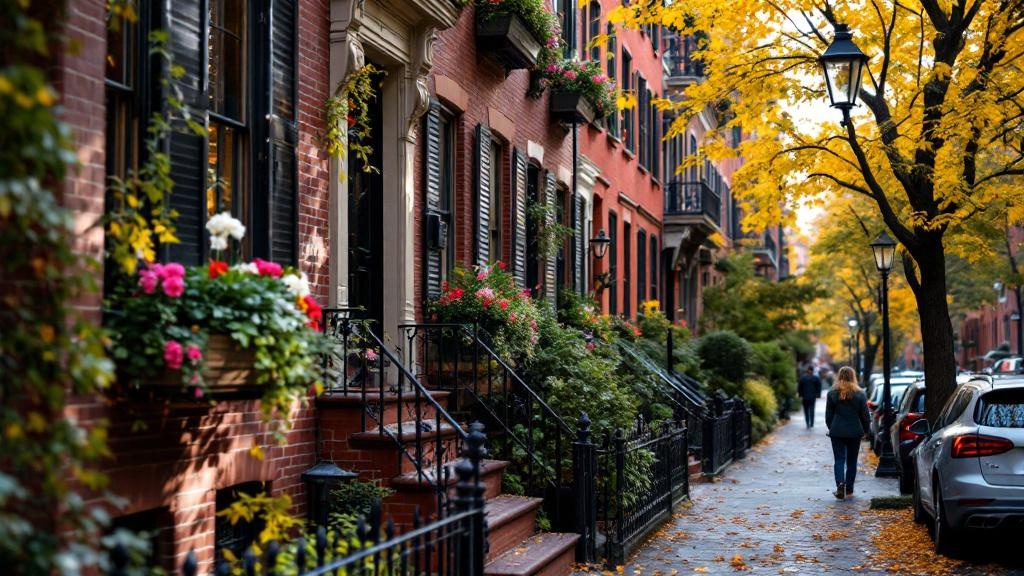
The West Village Walking Guide: Every Block Worth Knowing
The West Village rewards those who put the map away. Our block-by-block guide covers the six streets you cannot skip and the four restaurants that justify the trip alone.
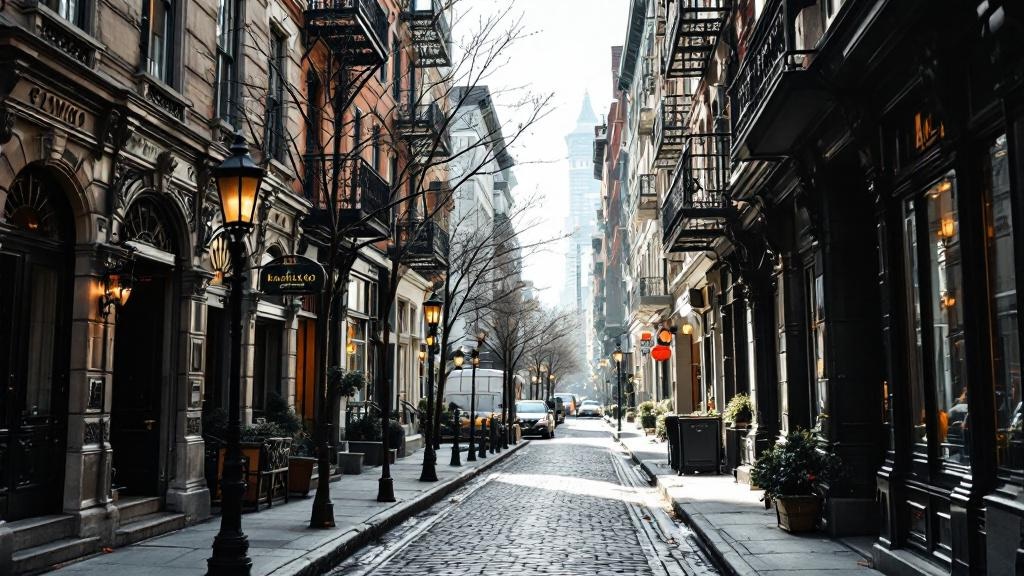
24 Hours in SoHo: A Schedule That Actually Works
One day, done right. We break SoHo into morning, afternoon, and evening blocks and tell you exactly where to be at each one. No padding, no filler.
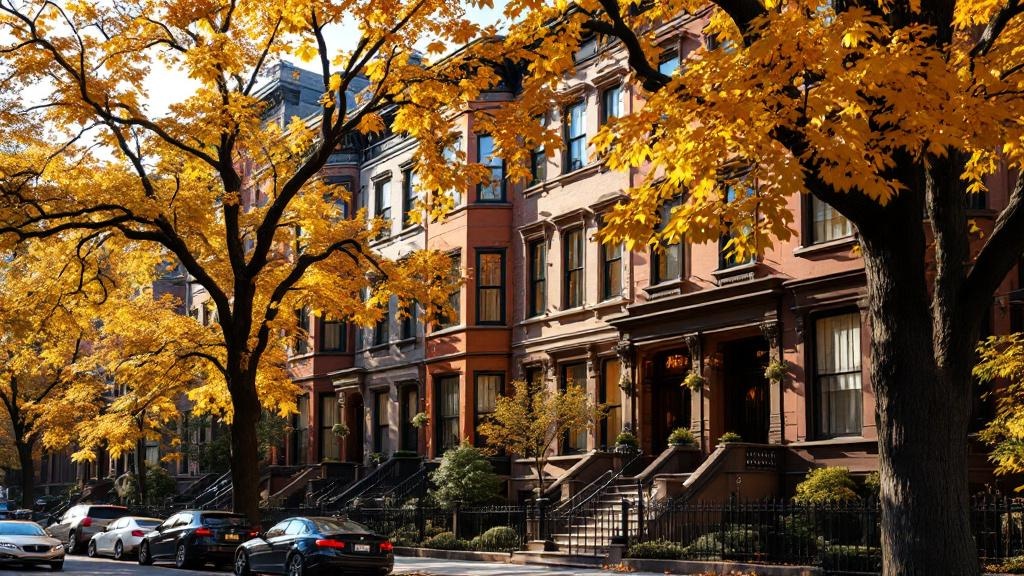
Upper West Side: The Manhattan Locals Actually Live In
Brownstones, Lincoln Center, Zabar's, and two parks. The Upper West Side is the neighborhood that makes people never want to leave New York.
Neighborhood FAQ
Which Manhattan neighborhood is best for first-time visitors?
The West Village and SoHo together form the ideal introduction to Manhattan. Both are walkable, visually compelling, and packed with independent restaurants and shops. They are also close enough to cover in a single day without feeling rushed. Take the 1 train to Houston, walk east, and figure it out from there.
Is Chelsea worth visiting if you are not into contemporary art?
Yes. The High Line gives Chelsea one of the best free attractions in the city regardless of your interest in art. The galleries are free to enter and never feel like obligations. Chelsea Market on 9th Avenue handles lunch for the entire neighborhood. The Meatpacking District sits on the southern end if you want to add an evening component.
How long do you need to explore a Manhattan neighborhood properly?
A half-day is the minimum to get a real sense of any single Manhattan neighborhood. A full day gives you time to eat two meals, browse without purpose, and walk the streets that do not appear on any itinerary. One week of focused neighborhood-hopping will give you a better understanding of New York than two weeks of checking attractions off a list.
Which neighborhoods are walkable between each other?
The West Village, Greenwich Village, SoHo, and NoLita form a compact downtown cluster that is comfortably walkable. Chelsea connects northward to the Meatpacking District. Uptown, the Upper West Side and Upper East Side are a Central Park crossing apart. Midtown is a logical add-on to almost any southern itinerary via the subway.