Manhattan Neighborhoods
Upper West Side
Culture, brownstones, and two of the city's greatest parks. This is the Manhattan New Yorkers actually want to live in.
The Upper West Side, Explained
Sandwiched between Central Park to the east and the Hudson River to the west, the Upper West Side has long been Manhattan's most intellectually serious neighborhood. This is where professors, musicians, and journalists have always lived. It is the New York of Zabar's Saturday mornings, of Lincoln Center season subscriptions, of the Natural History Museum on a rainy Tuesday afternoon.
The neighborhood runs roughly from 59th Street to 110th Street along the west side of Central Park, with Broadway and Amsterdam Avenue forming the commercial spine. The architecture is mostly pre-war: wide sidewalks, carved limestone facades, corner towers with water tanks visible against the sky. Walk a single block off Broadway and you step into a quiet canyon of brownstones where the city's pace drops by half.
What makes the Upper West Side distinctive in 2026 is that it has held onto its character. The same bookstores, delis, and wine shops that defined the neighborhood thirty years ago are still here. The density of cultural institutions is unmatched in any residential neighborhood in the country. Within ten blocks you have Lincoln Center, the American Museum of Natural History, the New York Historical Society, and immediate access to both Central Park and Riverside Park.
For visitors, the Upper West Side rewards a slower approach. Skip the sprint from landmark to landmark. Buy a coffee on Amsterdam, walk into Central Park through one of the 72nd Street gates, and circle back through the Dakota block on Central Park West. The neighborhood is best understood at street level, at a pace that lets the architecture register.
What to Do on the Upper West Side
Walk the Riverside Park Promenade
The 1.6-mile esplanade along the Hudson is one of the most underrated walks in New York. Go at sunset when the light hits the New Jersey Palisades and the river turns the color of old brass.
Attend a Performance at Lincoln Center
The Metropolitan Opera, the New York Philharmonic, and the New York City Ballet all operate from this 16-acre campus. Tickets for rush and standing-room performances are far more affordable than most visitors realize.
Spend a Morning at the Natural History Museum
The American Museum of Natural History is one of the largest museums in the world. The Rose Center for Earth and Space, attached on the 81st Street side, is worth the visit on its own.
Browse Zabar's on a Saturday
The legendary deli-grocery on Broadway at 80th has been a neighborhood institution since 1934. Come for the smoked fish counter, stay for the overwhelming cheese selection and kitchen equipment mezzanine.
Enter Central Park at the Dakota
The 72nd Street entrance at Central Park West drops you directly into Strawberry Fields and the Bethesda Fountain corridor. Walk north to Bow Bridge for one of the most-photographed views in the city.
Explore the New York Historical Society
The city's oldest museum sits at 77th and Central Park West. The permanent collection covers four centuries of New York history, and the Luce Center's open storage galleries let you see 40,000 objects the main floors cannot hold.
Where to Eat
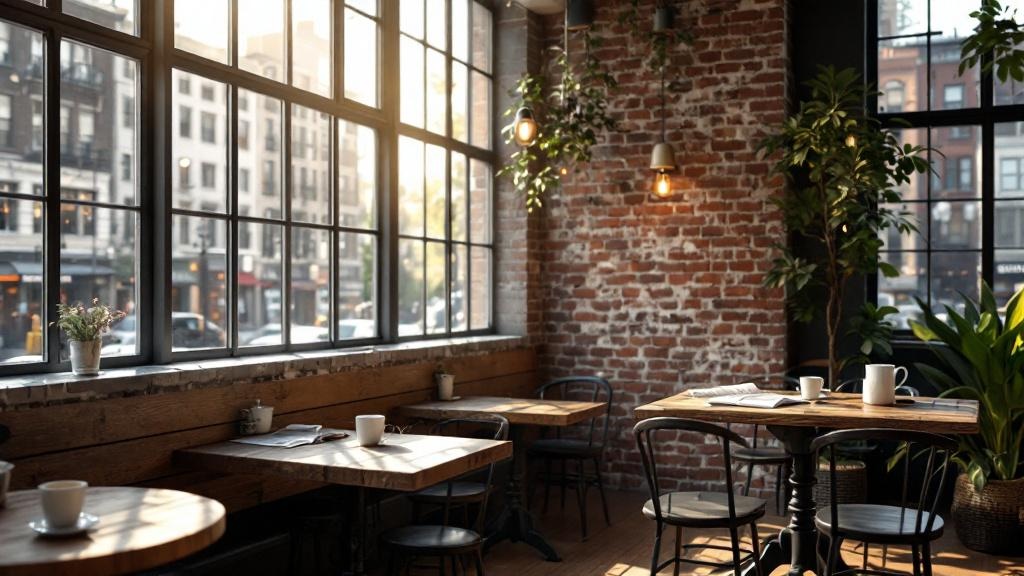
Barney Greengrass
The self-proclaimed "Sturgeon King" on Amsterdam at 86th has been serving New York's best smoked fish platters since 1908. Weekend lines form early and move slowly. Order the eggs and belly lox, no substitutions required.
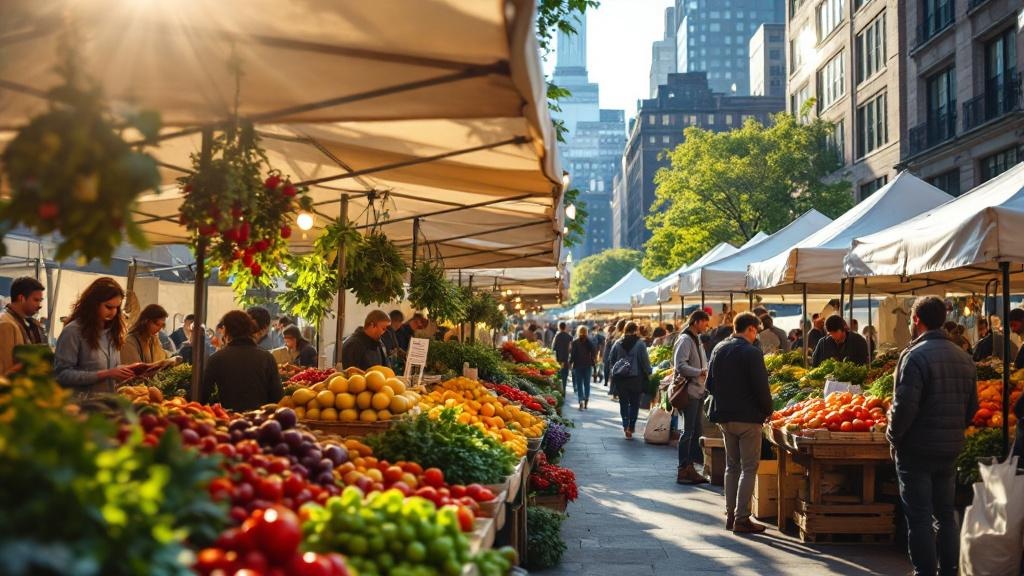
Kefi
Michael Psilakis's casual Greek taverna on Columbus Avenue delivers serious food at prices that still feel honest for the neighborhood. The lamb dishes are the reason to go. Book a table for a Tuesday to avoid the weekend wait.
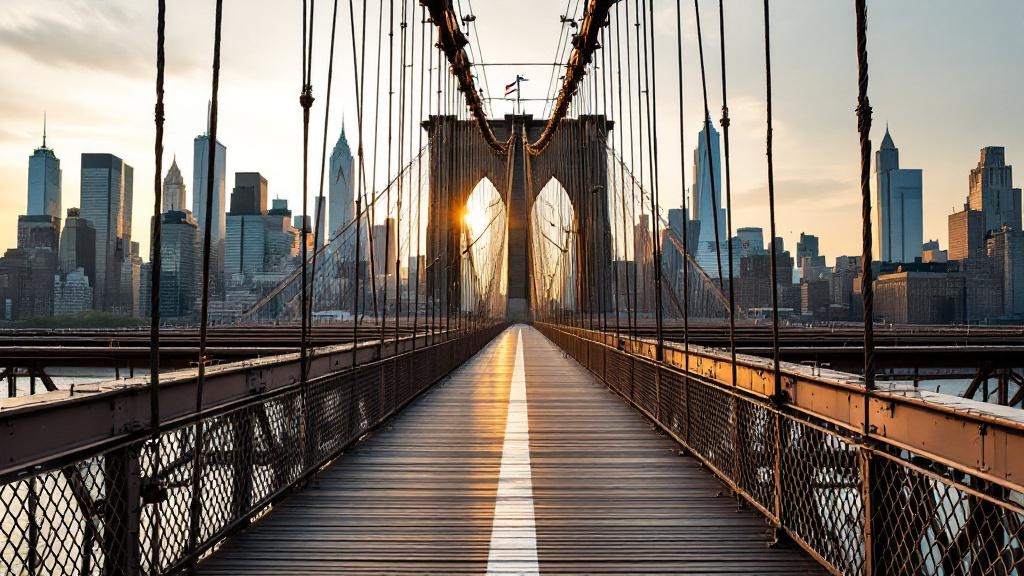
The Dead Poet
A genuinely great neighborhood bar on Amsterdam at 81st named for writers who died young. Literary quotes cover the walls, the beer selection is deep without being pretentious, and the crowd skews local. No tourists, no attitude.
Getting Here
Subway
- 1, 2, 3 trains to 72nd St, 79th St, 86th St, 96th St (Broadway)
- B, C trains to 72nd St, 81st St, 86th St, 96th St (Central Park West)
- A, B, C, D trains to 59th St - Columbus Circle (southern entrance)
Bus
- M10, M11 on Amsterdam and Columbus Avenues
- M104 crosstown on Broadway
- M72, M79, M86, M96 crosstown buses at major intersections
Upper West Side, Manhattan
59th St to 110th St, West of Central Park
Upper West Side FAQ
Is the Upper West Side safe for tourists?
Yes. The Upper West Side is one of Manhattan's safest and most family-friendly neighborhoods. The main commercial corridors on Broadway, Amsterdam, and Columbus Avenues are busy and well-lit around the clock. Standard city awareness applies, but visitors should feel at ease here at all hours.
How long does it take to walk from Lincoln Center to the Natural History Museum?
About 15 minutes on foot. Lincoln Center sits at 65th and Broadway. The museum's main entrance is at 79th and Central Park West. The walk north on Broadway or through the park is pleasant in any season.
What is the best time of year to visit the Upper West Side?
The neighborhood is exceptional in fall and spring when Central Park and Riverside Park are at their most photogenic. Summer brings outdoor concerts at Lincoln Center and the Summerstage series in Central Park. Winter has the charm of the pre-war architecture under snow, and cultural programming runs year-round regardless of weather.
Can I combine the Upper West Side with other neighborhoods in one day?
Yes. The Upper West Side pairs naturally with a walk through Central Park to the Upper East Side and the Met. From the southern end near Columbus Circle, you can reach Midtown in minutes. Allow at least half a day to do the neighborhood justice on its own terms.