SoHo is not a neighborhood that rewards a casual pass-through. The cast-iron buildings are extraordinary, the gallery density is real, and the food on Prince and Spring streets is genuinely excellent. But it is also one of the most heavily visited neighborhoods in Manhattan, and most visitors leave having seen only the surface. This itinerary does something different. It treats SoHo as a full day, not a two-hour detour.
The schedule below is built around two principles: eat well, walk slowly. SoHo's retail energy is undeniable, but the neighborhood's real appeal is architectural and culinary. The cast-iron district that runs from Canal Street to Houston, between West Broadway and Crosby Street, is the largest concentration of pre-Civil War cast-iron facades in the world. These buildings were built as factories and warehouses. They became galleries and lofts. They are now coveted real estate and, from the sidewalk, still extraordinary to look at.
Follow this schedule on a weekday for the best combination of access and reasonable crowds. Weekend mornings work for the early hours but afternoons on Saturday get genuinely congested on the main shopping blocks.
8:00 a.m. - Coffee and the Empty Block
SoHo in the morning is the version most New Yorkers prefer. The light hits the cast-iron facades from the east, and the main commercial streets have not yet filled up. Walk to Cafe Integral on Crosby Street, a single-origin coffee bar in one of the neighborhood's quieter blocks. The espresso here is precise without being fussy. Take it outside and walk north on Crosby toward Prince Street, which at 8:15 on a weekday will be almost empty.
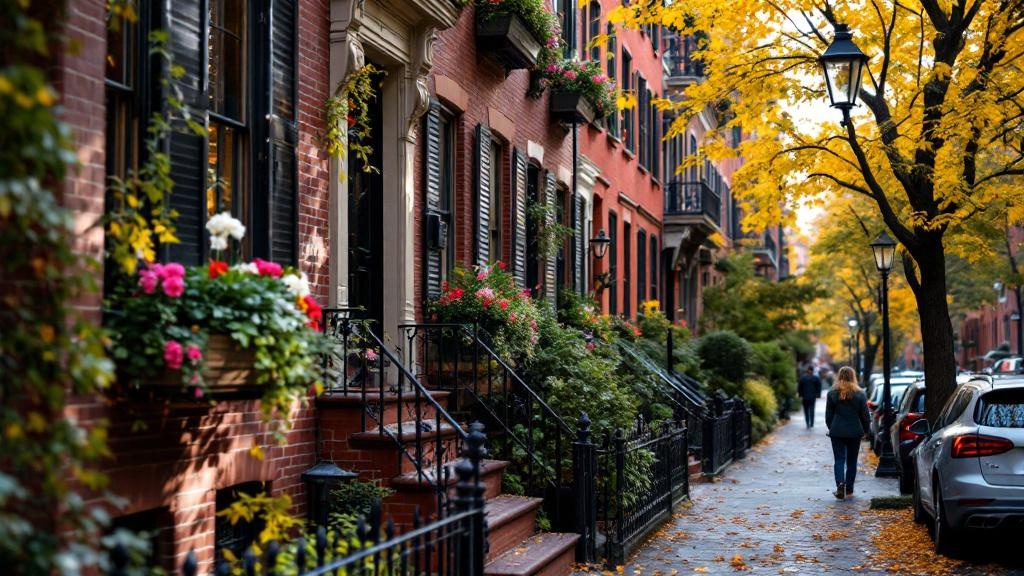
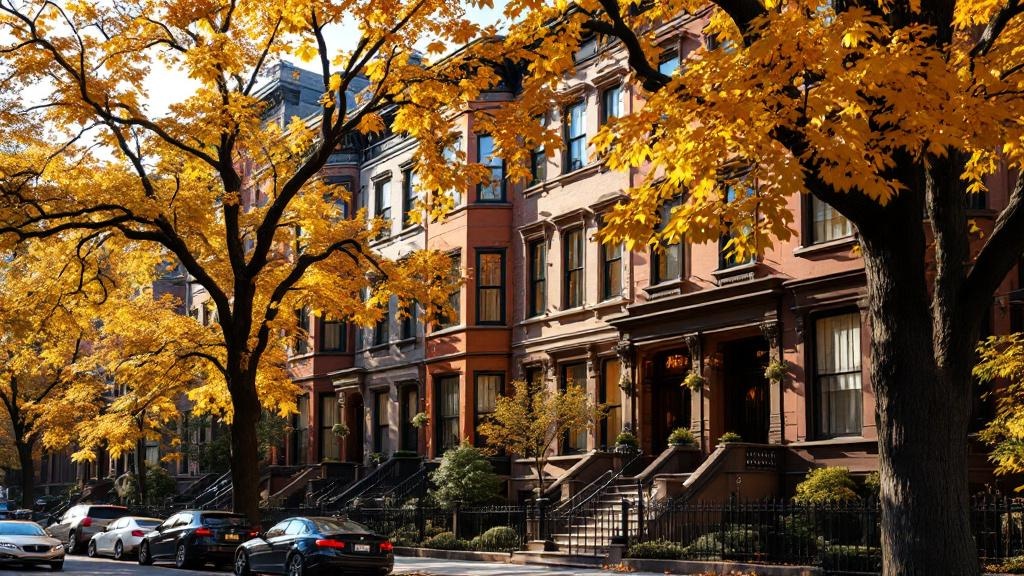
This is the block to photograph. Prince Street at Crosby, with the cast-iron facades catching the morning light and the fire escapes throwing geometric shadows onto the sidewalk, is the image of SoHo that is worth capturing. Come back at noon on a Saturday and the sidewalks will be impassable. At 8:30 on a weekday, it is quiet enough to stand in the middle of the street.
The cast-iron district from Canal to Houston is the largest concentration of pre-Civil War cast-iron facades in the world. These buildings were built as factories. From the sidewalk, they are still extraordinary.
9:30 a.m. - The Gallery Blocks
The contemporary art galleries that define SoHo's cultural identity are concentrated in the blocks around West Broadway, Wooster Street, and Greene Street between Spring and Houston. Most open at 10 or 11, but the experience of walking these blocks before the galleries open is worthwhile for the architecture alone. Wooster Street between Spring and Prince is particularly good: the buildings are taller here, the light is narrower, and the street has a canyon quality that intensifies the scale of the facades.
At 10 a.m., galleries start opening. There is no charge to enter any of them. Walk into whichever ones catch your attention. The larger galleries on West Broadway have significant primary-market inventory and function as serious commercial art spaces; the smaller rooms on Wooster and Greene are often more interesting, showing younger artists with less predictable programming. The combination changes monthly. Check the gallery listings on the New York Foundation for the Arts website the week before your visit to see what is on view.
12:00 p.m. - Lunch on Prince Street
Noon is the right time to move to food. Prince Street between West Broadway and Lafayette is the neighborhood's restaurant row, and by midday the kitchen at Balthazar will be at full capacity. The French brasserie at Spring and Crosby is the most famous restaurant in SoHo for good reason: the room is beautiful, the steak frites are dependably excellent, and the bread basket alone justifies the detour. Go for lunch rather than dinner if you are budget-conscious; the menu overlaps substantially and the energy at midday is easier.
If Balthazar's inevitable queue does not fit the schedule, Prince Street Pizza two blocks east does lunch at a pace that matches the city: standing, two slices, the best square slice in the neighborhood, out in ten minutes. Both options are correct. Choose by the hour you have available.
1:30 p.m. - The Broome Street Blocks and SoHo Cast Iron Architecture
After lunch, walk south on Wooster to Broome Street. The block between Wooster and Greene is one of the architectural highlights of the neighborhood: the Gunther Building at 469-475 Broome, built in 1871, is a full-block cast-iron masterpiece with detailed Corinthian pilasters running up five stories. Stand across the street and look up. The building demonstrates what made cast iron so transformative: it allowed architects to mass-produce ornamental facades at a fraction of the cost of hand-carved stone.
Walk east on Broome to Mercer Street, then north. Mercer is narrower and less trafficked than the main shopping streets, which makes the architecture more legible. At Mercer and Spring, the corner building's facade is embossed with the manufacturer's stamp, one of the few in the district still legible: "D.D. Badger and Company, New York." Badger was one of the largest producers of cast-iron facades in the city in the 1870s.
3:00 p.m. - Browsing Without an Agenda
The mid-afternoon block is for shopping if that is your inclination, or wandering if it is not. The retail concentration on Spring, Prince, and the cross-streets between West Broadway and Lafayette is genuinely exceptional: independent bookshops, design stores, specialty food shops, and the usual range of international fashion brands. The Apartment by The Line on Greene Street between Spring and Prince is worth stepping into regardless of whether you plan to buy anything; it is one of the better-curated multi-brand boutiques in the neighborhood.
Housing Works Bookstore on Crosby Street deserves a dedicated stop. The used bookshop is a nonprofit that funds HIV/AIDS services, and the selection is excellent by any standard. The building's warm, library-like interior is a genuine counterpoint to SoHo's retail intensity. Spend 20 minutes minimum.
| Hour | Location | Activity | Notes |
|---|---|---|---|
| 8:00 a.m. | Crosby at Prince | Coffee, morning walk | Best light for photos |
| 9:30 a.m. | Wooster, Greene, W Broadway | Gallery district walk | Galleries open at 10 or 11 |
| 12:00 p.m. | Spring at Crosby | Lunch at Balthazar | Arrive early or call ahead |
| 1:30 p.m. | Broome to Mercer | Cast-iron architecture | Gunther Building is the highlight |
| 3:00 p.m. | Prince, Spring, Greene | Browse, shop, bookshop | Housing Works on Crosby |
| 5:30 p.m. | Sullivan or MacDougal | Pre-dinner drink | Move toward Greenwich Village |
| 7:00 p.m. | SoHo or West Village | Dinner | Reserve in advance |
5:30 p.m. - The Transition to Evening
By late afternoon, the shopping blocks have reached maximum density. This is the time to move to the edges of the neighborhood: south toward Canal, where the character changes abruptly to downtown streetwear and wholesale supply stores, or west toward Sullivan and MacDougal streets, where the density thins and the pace drops to something closer to the West Village. The Ear Inn on Spring Street near West Broadway is one of the oldest continuously operating bars in Manhattan. It has been in operation since 1817 and does not traffic in its own history. Come for a drink before dinner.
If you want to stay in the neighborhood for dinner, Raoul's on Prince Street is the correct choice: a French bistro that has been operating since 1975, with a menu that leans on bistro classics and a room that feels genuinely lived-in. The steak au poivre and the tarte tatin are the items the regulars order. Book well in advance.
After Dark: Where SoHo Ends and the Rest Begins
SoHo at night is quieter than its daytime energy suggests. The retail energy subsides, the gallery openings on Thursday evenings are the main cultural event, and the neighborhood's nightlife is largely absorbed by the bars and restaurants that run along the main commercial streets. The serious nightlife in this part of Manhattan concentrates in the Meatpacking District to the north and west, which is a 15-minute walk or a quick taxi ride from the heart of SoHo.
End the day at Fanelli's Cafe at Prince and Mercer, which has been operating since 1847 and is the neighborhood's oldest tavern. The back room is pressed tin and dark wood, the beer is cold, and the bartenders do not ask where you are from. Order whatever is on draft and consider the fact that you are sitting in a room that has been a bar since Martin Van Buren was president. SoHo has changed around it completely. Fanelli's is still here.
Getting In and Out
The N, Q, R, and W trains stop at Prince Street, which puts you on the main commercial block within a minute of leaving the station. The 1 train stops at Houston Street on the northern edge. The C and E trains stop at Spring Street on the southern edge. Avoid driving. Parking is scarce, enforcement is active, and the neighborhood's layout makes driving through it genuinely unpleasant. The subway delivers you exactly where you need to be.
If you are coming from the West Village, it is an easy 15-minute walk east through the smaller streets below Houston. From Midtown, the N or R train from Times Square to Prince Street takes about 20 minutes. From Brooklyn, the F or M train to Broadway-Lafayette puts you one block from the center of the neighborhood.